The vein check
In daylight, look at the veins on the inside of your wrist.
Blue or purpleLikely coolGreenLikely warmHard to tellNeutral or olive
Shades
Depth is how light or deep your skin is. Undertone is the color beneath it. Move through both to see how skin tint, concealer, cheek, lip, and brow colors shift together.

Shade explorer
Drag the slider or use the arrow keys, then pick an undertone. Every color eases into the next, so you can watch how a shade family moves.
Depth 05 / Neutral undertoneIllustrative
Your strip, illustrative
Light-medium skin can carry a little more saturation. Warm rose, peach-coral, and rosewood show up clearly without looking painted on.
Neutral undertones balance warm and cool, so most color families work. Rosewood and soft terracotta are an easy place to start.
All colors here are illustrative, not product shades. Screens and lighting change how color looks, so swatch in daylight before you choose.
How to find your undertone
Two people can share a depth and need different shades. These checks are rough guides that narrow it down. A swatch in daylight settles it.

DaylightUndertone is easiest to read in window light
In daylight, look at the veins on the inside of your wrist.
Hold something silver, then something gold, close to your face. Notice which one makes your skin look more even.
Hold a bright white cloth under your chin, then an off-white or cream one, and look in a mirror by a window.
Olive skin often has a green, gray, or khaki cast next to white, and both silver and gold can look right. If pale pinks tend to look chalky on you while muted, earthy colors look natural, olive is a good place to start.
Swatching and lighting
The right shade is usually the one you can barely see. These habits make it easier to spot.
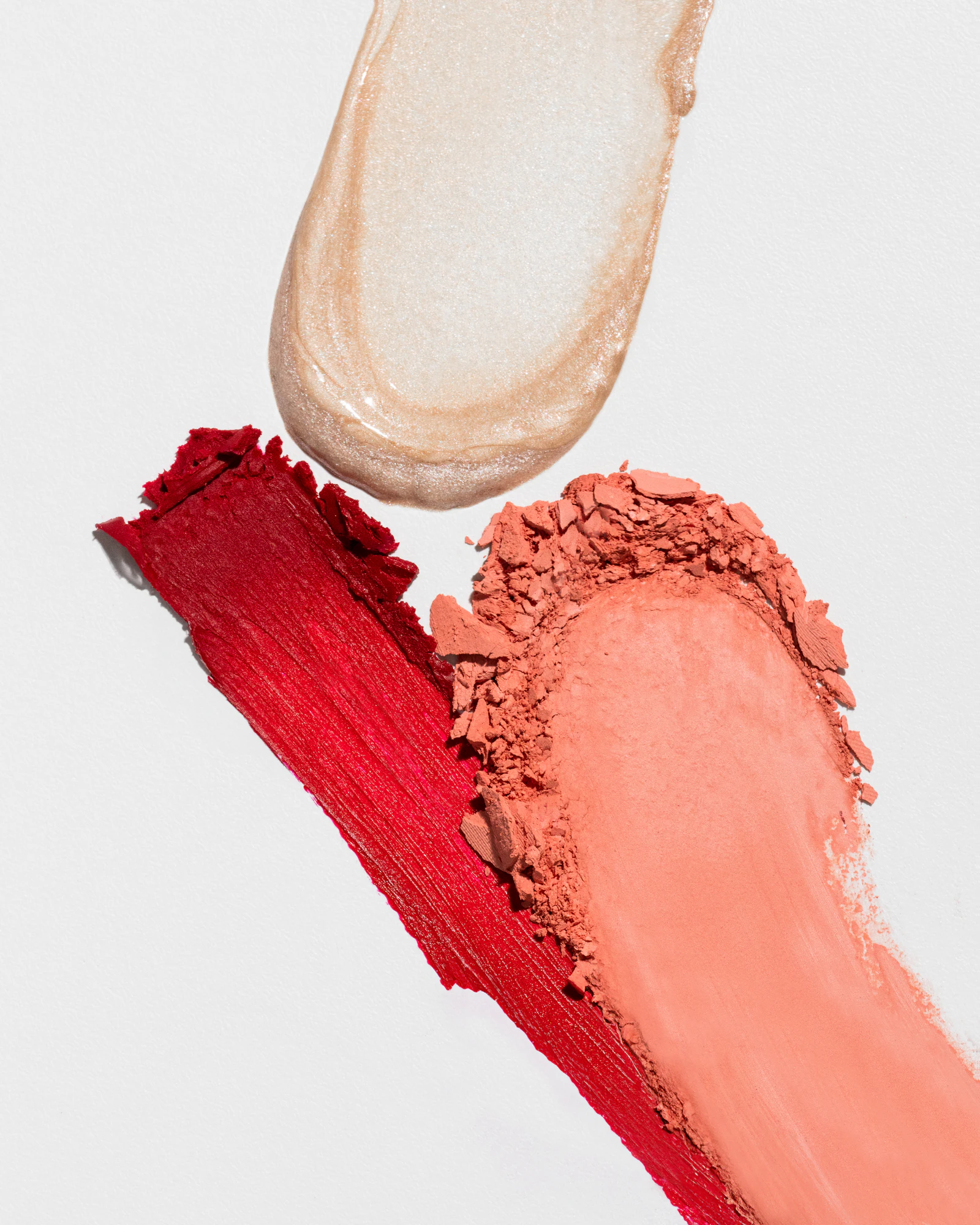
Test complexion shades along the jawline, where face meets neck. The back of your hand is often a different color from your face.
Stripe two or three shades side by side instead of one at a time. The right one is the stripe that seems to vanish.
Some formulas look slightly different once they dry down. Wait a few minutes before you judge a complexion shade.
Daylight from a window is the most honest light for color. Indoor bulbs, especially warm ones, shift how a shade reads.
If you mostly wear makeup at the office or in the evening, take one more look at the swatch in that light, too.
Phone cameras and screens adjust color on their own. Use photos as a reminder of what you tried, not as the final word.
Every depth
Fair, light, medium, and deep skin can each lean cool, neutral, warm, or olive. That is why depth alone rarely finds a match.





Tell us your depth, undertone, and the shades you are deciding between. We reply by email.