Naturally derived, where it works
Oils, butters, and waxes from plants make up the base of our cream and balm textures. Each ingredient is there for what it does in the formula.
Ingredients
Makeup is pigment plus a handful of ingredients that give it a texture and keep it stable. Here is what the common ones do, in plain words, and how to read the list on a label.
Our approach
We build color around plant oils, butters, and waxes, and we would rather tell you exactly what an ingredient is than lean on a label word.
Oils, butters, and waxes from plants make up the base of our cream and balm textures. Each ingredient is there for what it does in the formula.
The pigments behind skin-tone shades are made in a lab. US rules require cosmetic iron oxides and titanium dioxide to be synthetically prepared, with strict limits on impurities, and we would rather say so than call them natural.
Ingredients appear on a label by their standard names. The US Food and Drug Administration has no definition of "natural" for cosmetics, so we explain ingredients one by one instead.
Glossary
All eight are common in color cosmetics. Each entry gives the label name, where the ingredient comes from, and its job in a formula.
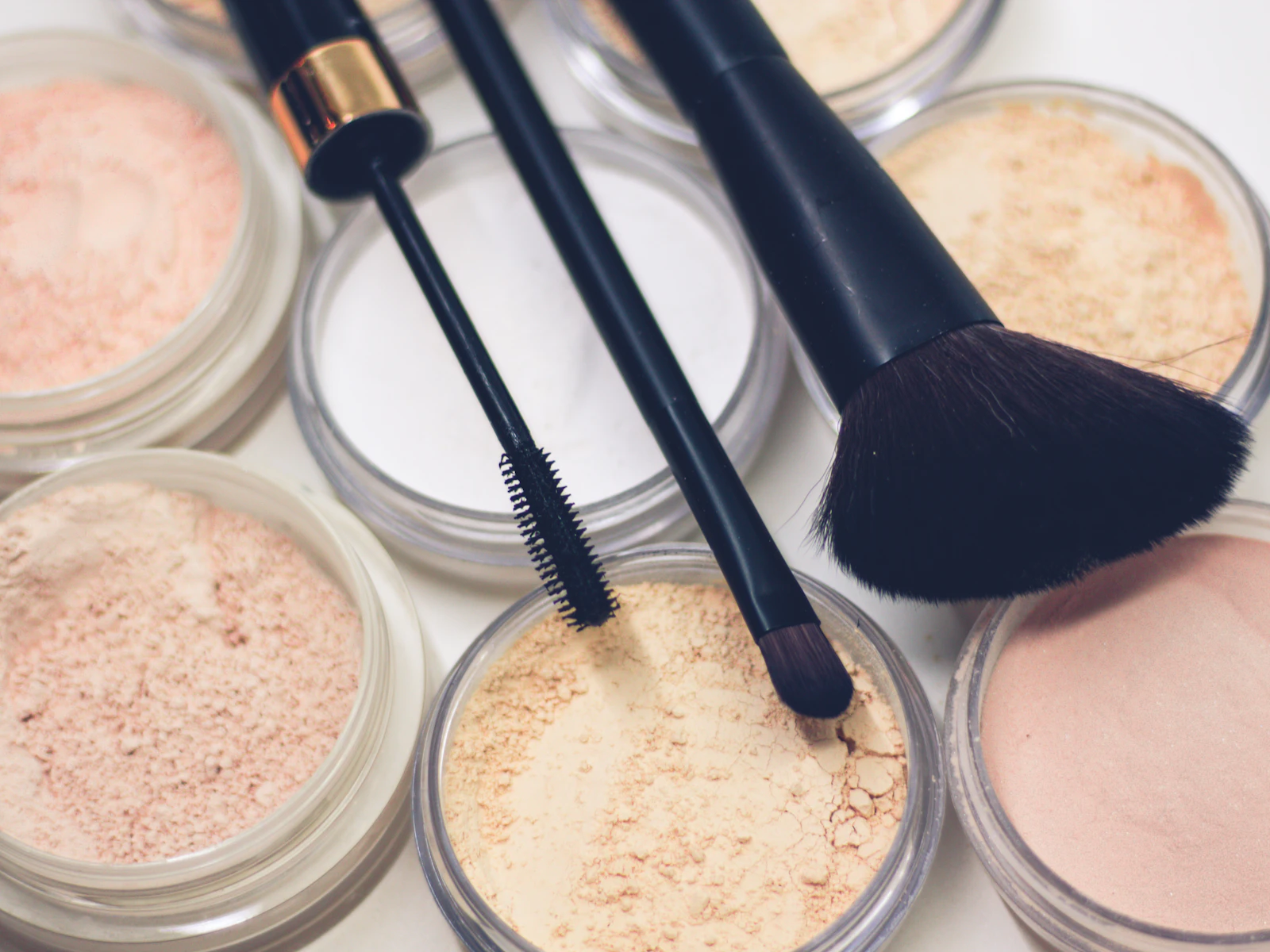
The workhorse pigments of skin-tone makeup. Red, yellow, and black iron oxides are blended in different ratios to build shades from fair to deep, and they also color blush, brow, eye, and lip products.
OriginThe same chemical family as rust and red earth, but cosmetic grades are made synthetically. Federal rules (21 CFR 73.2250) require this, cap lead at 10 parts per million and arsenic and mercury at 3, and allow iron oxides in eye-area products.
Where you find itSkin tint, concealer, cheek, lip, brow, eye pencil, mascara.
A bright white pigment. In makeup it adds opacity: it lightens shades and helps a formula cover. Used heavily, it can look chalky on deeper skin, which is one reason shade ranges need careful balancing.
OriginCosmetic titanium dioxide is synthetically prepared, as federal rules (21 CFR 73.2575) require.
Where you find itComplexion shades and lighter cheek and lip colors.
A naturally occurring mineral, ground into fine, flat flakes that reflect light. On its own it gives a soft sheen. Coated with titanium dioxide or iron oxides, it becomes the pearly pigments behind shimmer.
OriginMined. The US color additive listing (21 CFR 73.2496) describes it as a white powder made from the mineral muscovite.
Where you find itSatin and luminous finishes, highlighting shades, eye color.
Pressed from the seeds of the jojoba shrub. Chemically it is almost entirely wax esters, so it is closer to a liquid wax than to a typical plant oil. In makeup it works as an emollient, part of the oil phase that carries pigment in creams and balms.
OriginPlant seed.
Where you find itCream blush, tinted balm, cream concealer.
The fat from the kernels of the African shea tree, Vitellaria paradoxa. It is soft at room temperature and softens further as it warms, which gives cream and balm textures body and a cushioned feel.
OriginPlant kernel.
Where you find itBalms, cream blush, lip pencils.
A wax from the stems of the candelilla shrub, which grows in the Chihuahuan Desert of northern Mexico and the Big Bend area of Texas. It melts at about 155 to 163 °F (68 to 73 °C), so it gives sticks and pencils structure that holds up when warm, along with firmness and gloss.
OriginPlant stems.
Where you find itLip pencil, brow and eye pencils, balm sticks.
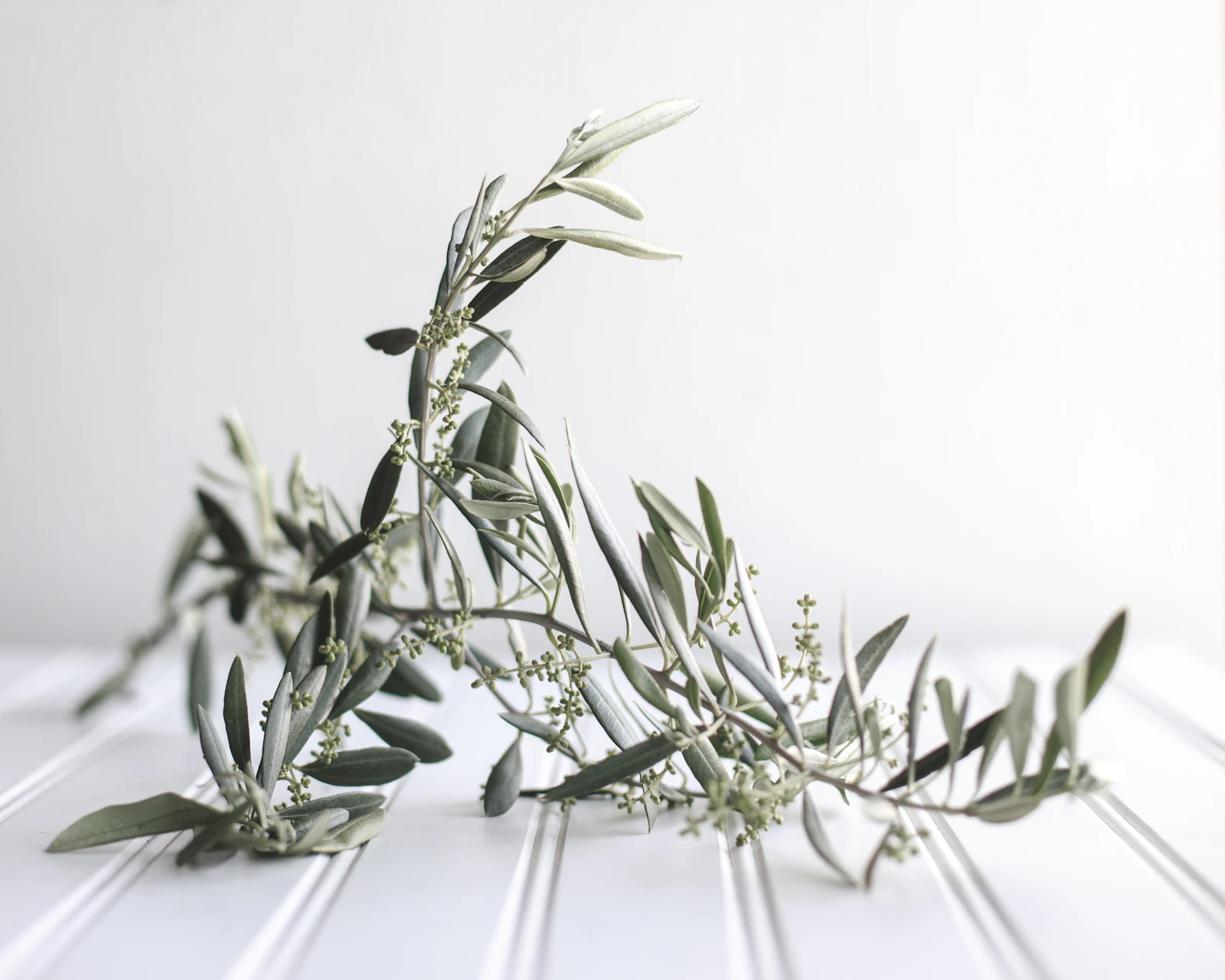
Squalene is an oil found in olives and some other plants. Fully hydrogenated, it becomes squalane, which stays stable in air where squalene does not. Plant squalane is made either from olive oil, by hydrogenating its squalene, or from sugarcane, by fermenting sugar into a building block that is then hydrogenated. In makeup it is an emollient.
OriginOlive or sugarcane, further processed.
Where you find itSkin tint, cream textures, balms.
Vitamin E, used as an ingredient. In a formula it works as an antioxidant: it slows the reactions with oxygen that turn oils rancid, which helps the formula stay fresh. It is not a preservative.
OriginOccurs in vegetable oils. The ingredient is either extracted from them or made synthetically.
Where you find itAny formula with oils: creams, balms, pencils.
How to read an ingredient list
US cosmetic labels follow a few rules from the Food and Drug Administration. Tap an ingredient on the example label to see why it sits where it does.
Example label: a cream blush. For illustration only, not a NaturePure formula
Ingredients:
Position 1: the largest amount
Above 1 percent, ingredients appear in descending order of predominance (21 CFR 701.3). In this example, jojoba oil makes up the most of the cream base.

A question about an ingredient?
If you want to know what an ingredient does or why it is in a format, write to us. We reply by email.