Depth and undertone are different things
Depth is how light or deep your skin is, from fair to deep. It is what most people mean when they say "my shade."
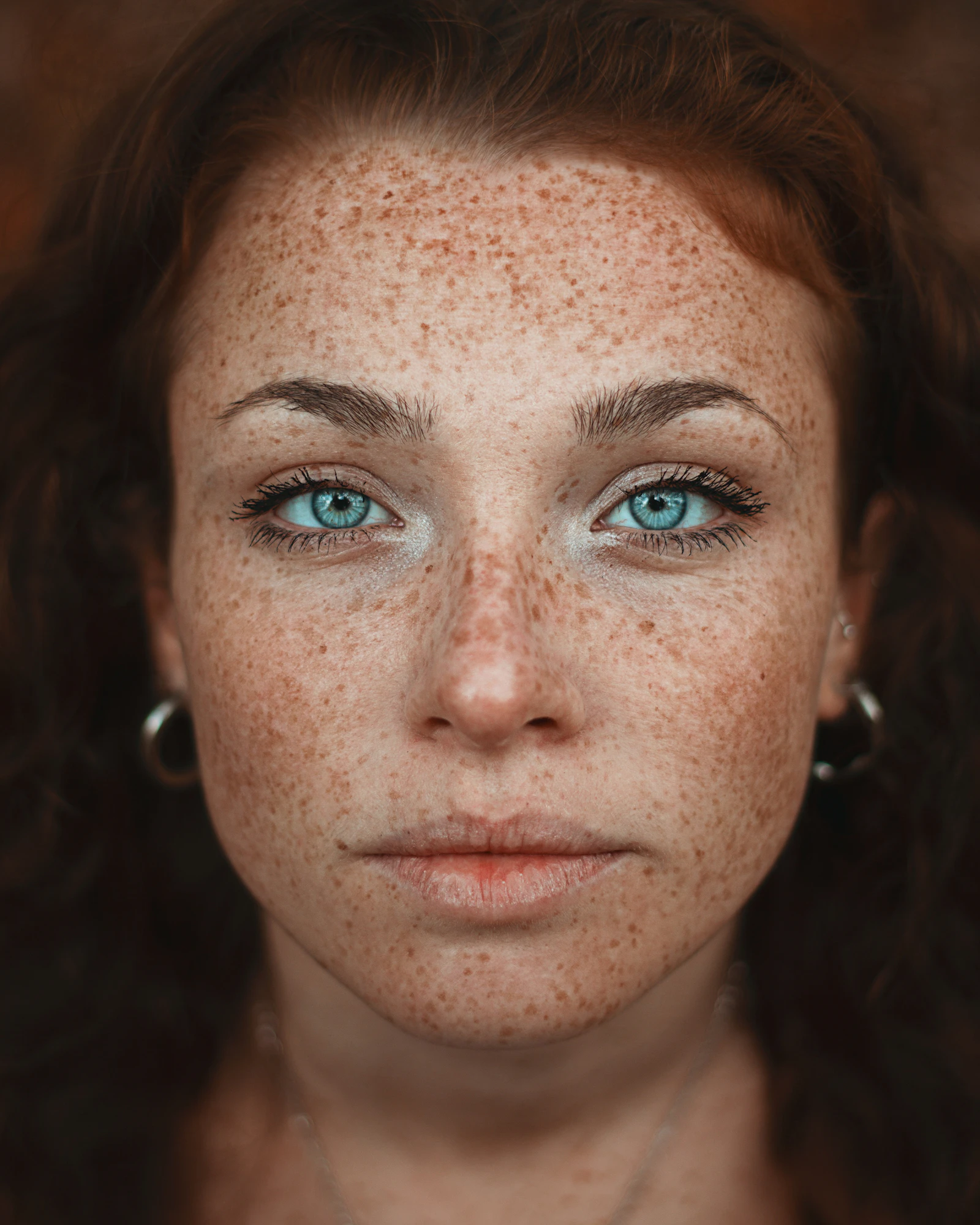
Undertone is the hue underneath. It tends to stay the same even when the surface changes with sun, season, or redness. Undertones are usually described in four families:
- Cool: pink, red, or bluish hints.
- Warm: golden, peachy, or yellow hints.
- Neutral: a balance of the two, with neither leading.
- Olive: a green or gray-beige cast alongside warmth.
Two people can share a depth and still need different shades, because the color under the surface is different. A foundation or skin tint at the right depth but the wrong undertone tends to look ashy, pink, or orange against the neck.
Four quick checks
None of these is a lab test. Each is a rough guide, and they work best together, in daylight, with bare skin.
The vein check
Look at the veins on the inside of your wrist. Mostly blue or purple suggests cool. Mostly green suggests warm. If you see both, or cannot decide, you may be neutral or olive.
The jewelry check
Hold something silver near your face, then something gold. If silver makes your skin look more even, you probably lean cool. If gold does, you probably lean warm. If both look fine, consider neutral or olive.
The white check
Hold a bright white cloth under your chin, then an off-white or cream one. Bright white tends to flatter cool undertones; cream tends to flatter warm ones.
The color check
Think about the colors people compliment you in. Blue-reds, berry, and gray usually suit cool undertones. Coral, olive green, and rust usually suit warm ones.
The olive question
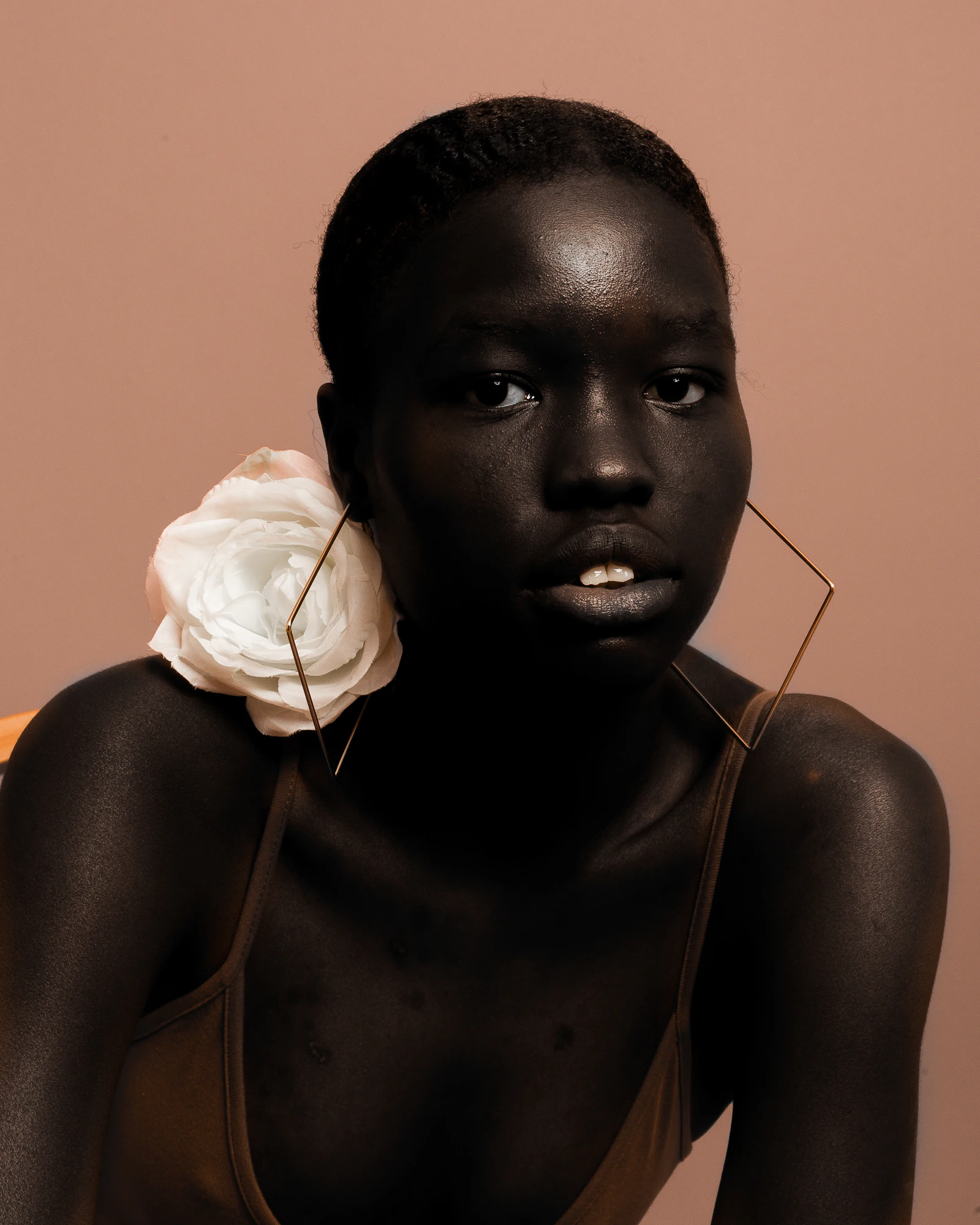
Olive is the undertone the classic tests miss most often. Olive skin has warmth, but it also carries a green, gray, or khaki cast that shows up most clearly next to white. The vein check is often inconclusive, and silver and gold can both look right.
A useful clue: if pale, cool pinks tend to look chalky on you while muted, earthy colors look natural, olive is a good place to start. Muted rose, warm brown-pink, brick, and soft terracotta usually blend in.
The right shade is usually the one you can barely see.
Why undertone matters for color
For complexion, matching undertone is what keeps a shade from sitting on top of the skin. For cheeks and lips it is gentler: undertone hints at which color families will look most like your own flush, but any color can work if you like it.
As a starting point, cool undertones tend to suit rose, mauve, and berry. Warm undertones suit peach, coral, and terracotta. Neutral undertones can move between both. Olive undertones suit muted, earthy versions of almost anything.
Try it on screen first
The shade explorer shows how skin tint, concealer, cheek, lip, and brow colors move with depth and undertone. The colors are illustrative, but the relationships hold.
Let a swatch decide
Checks narrow it down. A swatch settles it. Stripe two or three complexion shades along your jawline, where face meets neck, then step to a window. Wait a few minutes, since some formulas look slightly different once they dry down. The stripe that seems to vanish is your shade.
More on this in our swatching and lighting tips.